


SURRI: When Science Cleans Up What History Left Behind
20. 10. 2025
A team of researchers from CXI TUL is working on cleaning up soil and water that were contaminated by past uranium and heavy metal mining in selected sites in the Liberec, Central Bohemian, and Olomouc regions. Their goal is to prove that even ecological burdens can become sources of valuable materials. Led by Professor Miroslav Černík, the team focuses not only on remediating contaminated soil and water, but also on recovering critical raw materials from these natural sources.
Acid, uranium, and 6,000 boreholes
In the area of Stráž pod Ralskem, more than 4 million tons of acids were pumped underground over several decades, contaminating over 270 million m³ of groundwater. Cleanup is possible, but scientists estimate it will take another 30 years and cost over two billion euros.
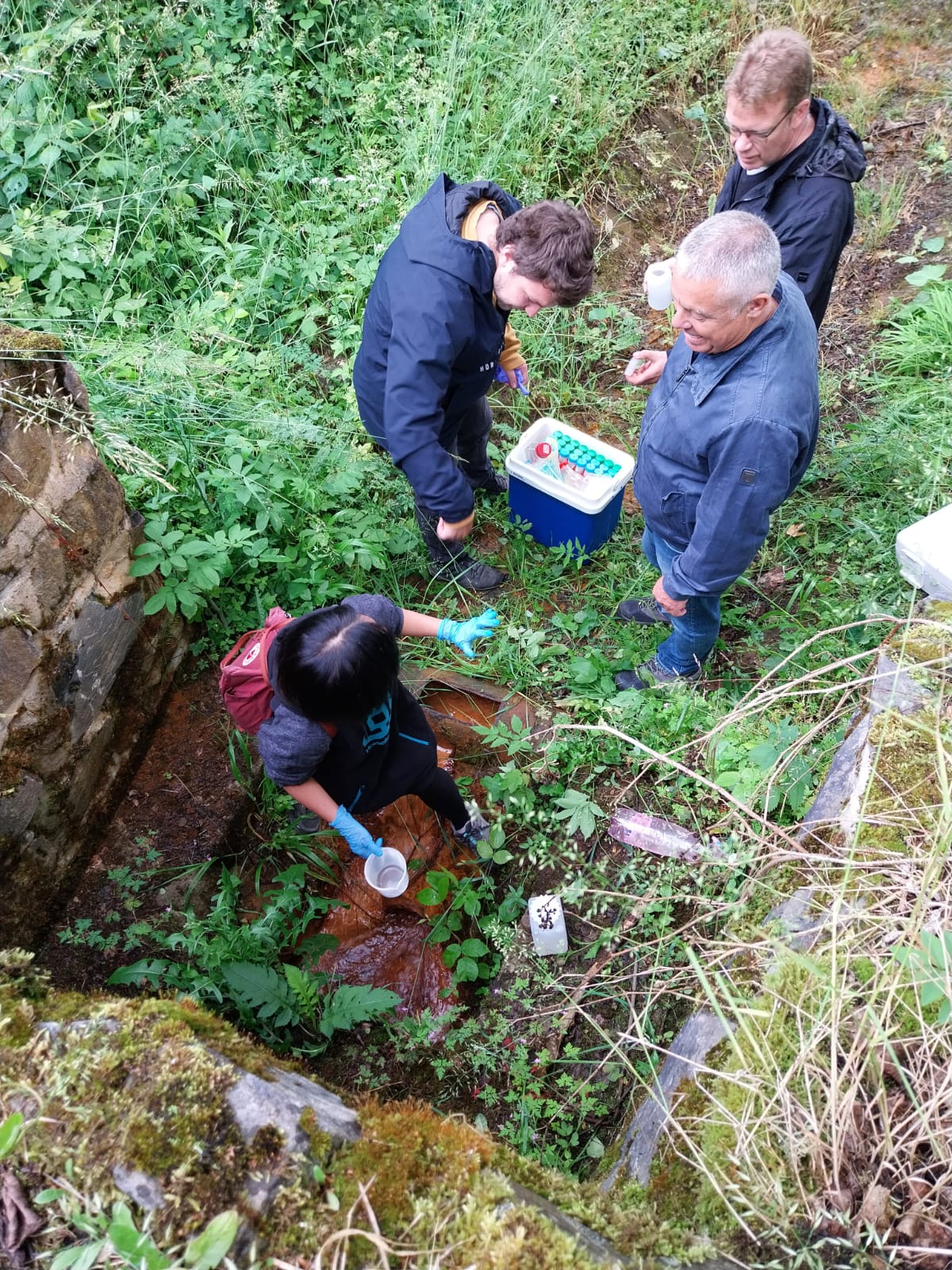
“Stráž is not just a symbol of environmental damage; it’s also a challenge for the future—how to rethink remediation of natural resources. Our SURRI team is focused on sustainable solutions with added value. We’ve involved our junior researchers, who visited expert institutions at universities in Granada, Southampton, and Rome to study new methods and approaches,” explains Professor Miroslav Černík, outlining the key research activities of the SURRI project.
What exactly is the SURRI team researching?
The goals of the scientific team from the Technical University of Liberec can be summed up in three main points:
- Remove environmental pollution from soil and water using methods that are more gentle and cost-effective than traditional approaches,
- Recover valuable metals and rare earth elements from contaminated sites as a by-product of the remediation process,
- Connect research, industry, and local governments in a Europe-wide approach to sustainable land recovery.
Their research includes the following technologies:
- Electrokinetic remediation (low-voltage currents release metals from the soil),
- Bacterial bioleaching (e.g., Herminiimonas arsenitoxidans helps reduce arsenic),
- Phytoremediation (aquatic plants and fungi absorb heavy metals and help landscapes green up again).
Two years of research. What have they achieved?
“In two years of research, we’ve shown that electrokinetic and biological technologies work under real-world conditions. We successfully extracted metals from samples taken from several sites: Stráž pod Ralskem, Zlaté Hory, and Kaňk. In the latter, near Kutná Hora, bacteria sampled on-site demonstrated remarkable potential for bioremediation,” says Professor Miroslav Černík, CXI TUL.
In cooperation with partners from the University of Granada, Sapienza University of Rome, and the University of Southampton, both lab and field methods were verified. Results show that a combination of biology, chemistry, and physics can deliver more efficient and cost-effective remediation than traditional methods.
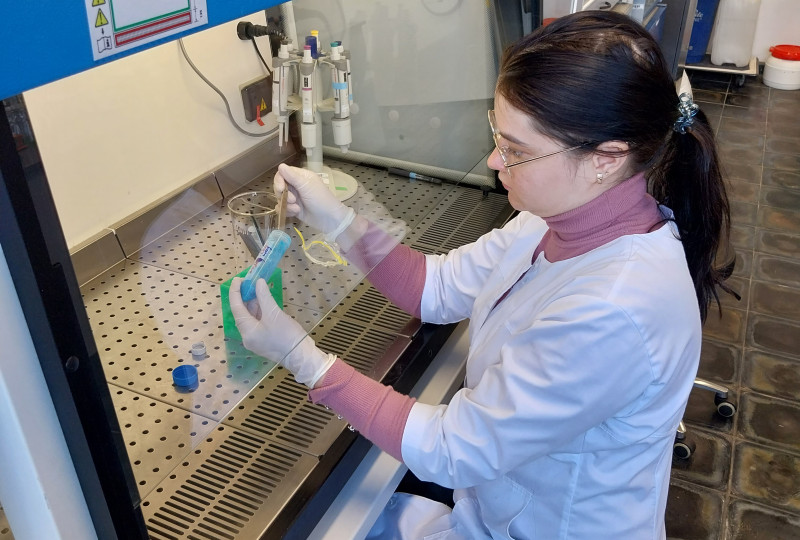 Laboratory testing at CXI TUL
Turning waste into value
The project supports the idea of a circular economy. From waste, ZnO nanoparticles are created, which are used in catalysis, sensors, or batteries. SURRI demonstrates that waste can become a resource.
Over two years, the team focused on testing selected technologies directly in the field at chosen mining locations—namely Stráž pod Ralskem, Kaňk, and Zlaté Hory. A key partner for our research in these areas is the state enterprise DIAMO, along with a trio of European universities. Our aim is also to create a virtual center to help bring innovations into practice.
SURRI represents a modern scientific approach to past environmental mistakes, with an emphasis on sustainability, local engagement, and innovative remediation strategies.
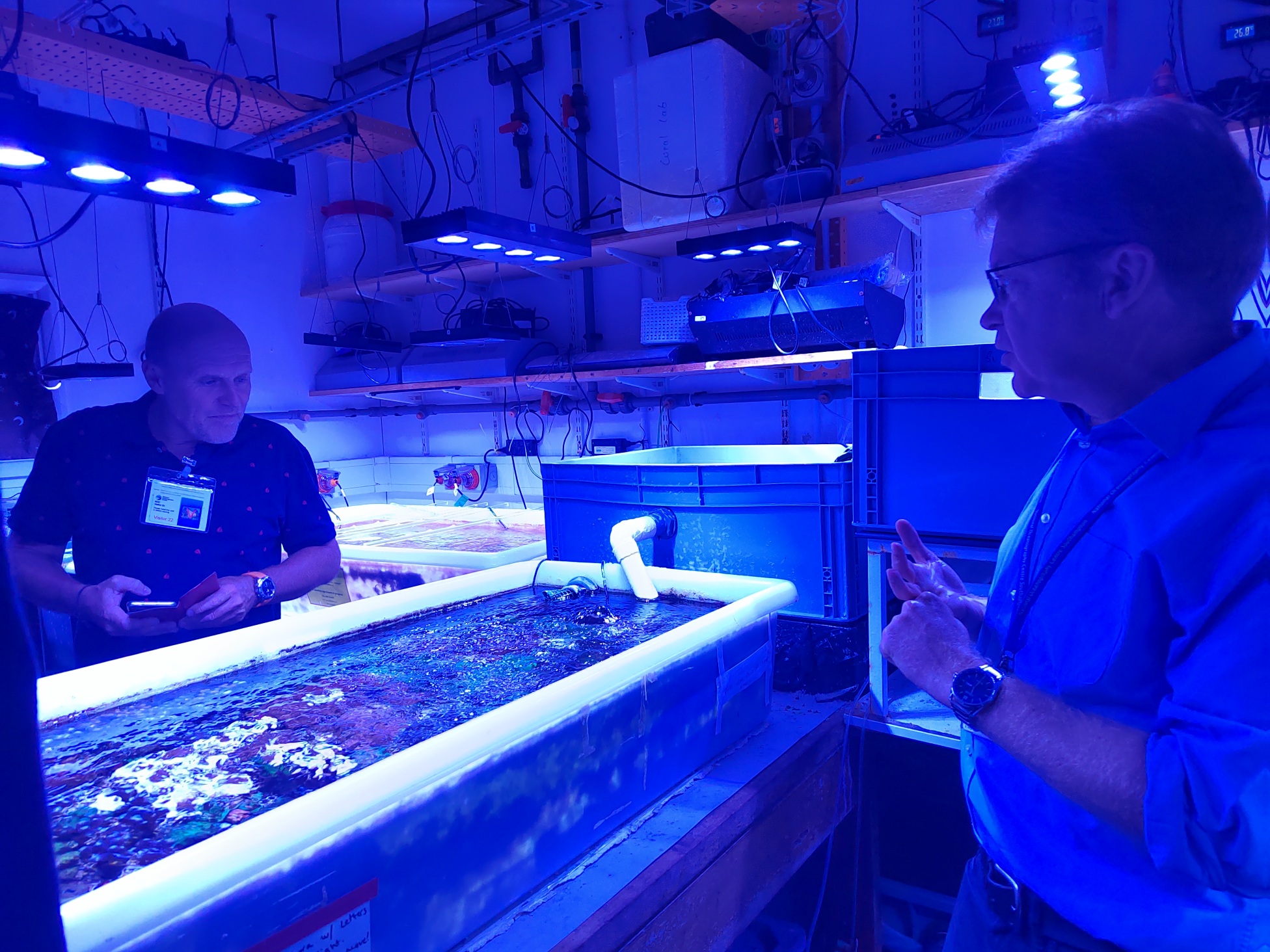
Laboratory testing at the University of Southampton
Want to know more?
The SURRI project (Sustainable Remediation of Radionuclide Impacts on Land and Critical Materials Recovery), coordinated by Miroslav Černík from CXI TUL, connects the best of science, technology, and social responsibility.
Visit the SURRI project website:
www.surri.eu
.png)
.jpeg)
.png)
.jpeg)
.png)
.jpeg)
.png)


.png)